
Beyond the Clouds: Exploring the Bold, Hearth-Fired Flavors of Sapa Food
High in the northern highlands of Vietnam, the misty peaks and terraced valleys offer much more than dramatic vistas. The unique climate and rich cultural heritage of the local ethnic minority groups have shaped an incredible culinary landscape that remains a mystery to many international visitors. When planning your Vietnam travel itinerary, checking out the local food scene in these mountain towns is just as essential as hiking through the rice paddies.
The cold mountain air and rugged terrain demand hearty, comforting meals. Instead of the delicate herb-forward balance found in lowland cities like Hanoi, Sapa food relies on wild mountain spices, preservation through wood smoke, and ingredients sourced directly from the high-altitude forests. If you want to eat like a true local during your Sapa travel adventures, make sure these five unforgettable specialty dishes are at the top of your list.
1. Mountain Salmon (Cá Hồi Sapa)
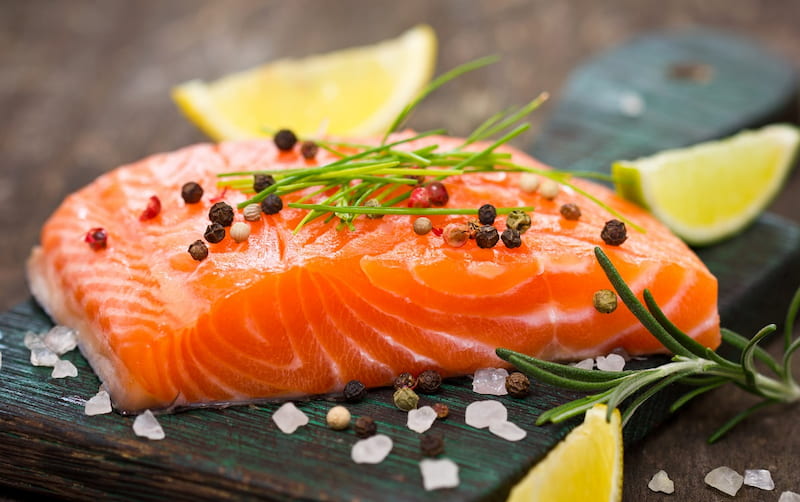
When most travelers think of cold-water salmon, Southeast Asia rarely comes to mind. Yet, the icy, pristine streams flowing down from Mount Fansipan provide the perfect conditions for raising high-quality salmon. Unlike the rich, fatty imported varieties you might be used to, local Sapa salmon is remarkably lean, firm, and clean-tasting.
The absolute best way to experience this is by ordering a steaming mountain hotpot on a chilly, fog-heavy evening. Restaurants serve the fish thinly sliced alongside a mountain of freshly gathered wild greens, local mushrooms, and a complex, simmering broth spiked with lemongrass and local chili. It is a social, comforting meal that perfectly counters the highland chill.
2. Smoked Buffalo Meat (Thịt Trâu Gác Bếp)
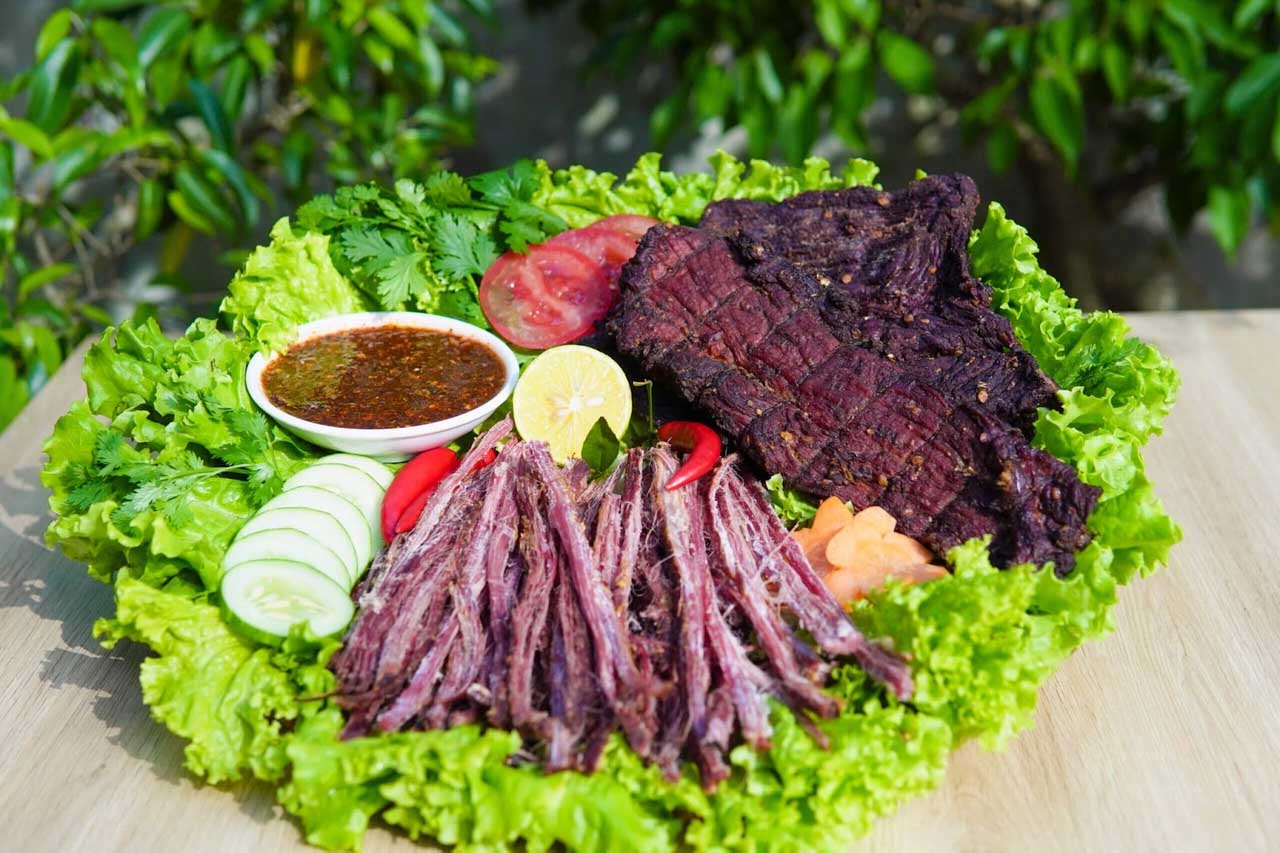
Originally created by the Black H’mong and Thai communities as a clever way to preserve food through the long winter months, smoked buffalo meat is now a prized local delicacy. Strips of lean water buffalo are heavily seasoned with garlic, ginger, and mắc khén - a wild mountain pepper that leaves a pleasant, numbing tingle on the tongue.
The seasoned meat is then hung above the traditional kitchen hearth, where it slowly cold-smokes over wood fires for months until the exterior turns a deep charcoal black. To enjoy it, locals shred the tough strips by hand and serve them alongside a spicy dipping salt mixed with lime juice. The flavor is intensely savory, smoky, and deeply rustic.
3. "Cắp Nách" Free-Range Pork (Lợn Cắp Nách)
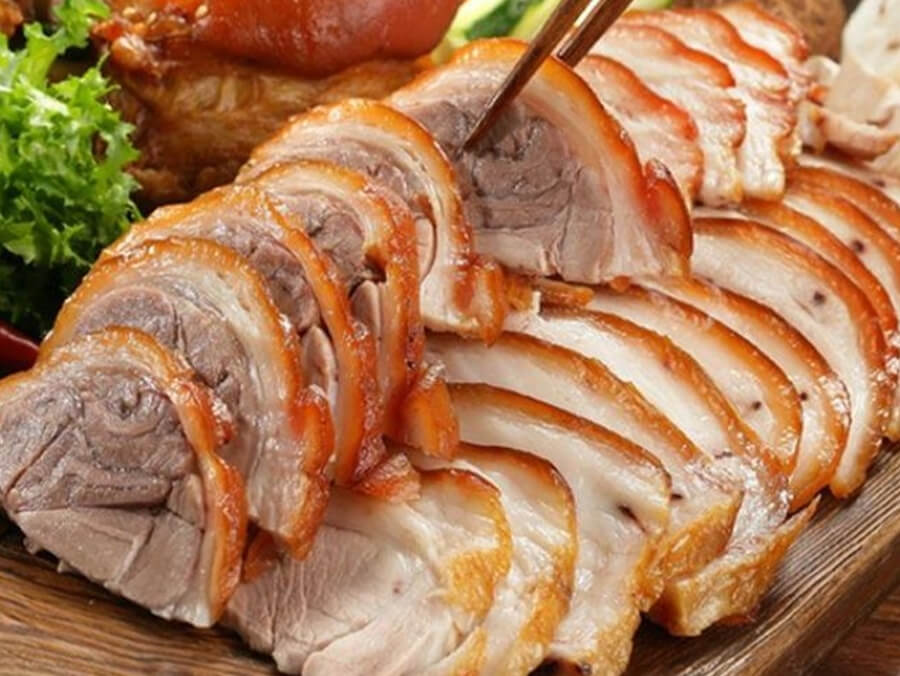
The name literally translates to "under-arm pork," referencing the way local farmers carry these small, free-range pigs to the mountain markets. These animals roam freely on the hillsides, foraging for wild plants, roots, and fallen fruits.
Because of this natural, active lifestyle, the meat is incredibly tender and contains very little excess fat. Local chefs usually roast the pig whole over open charcoal pits until the skin turns into a brittle, golden crackling, while the meat inside stays remarkably juicy. It is traditionally seasoned with a mix of wild herbs and dipping salts that enhance the natural sweetness of the pork.
4. Charcoal-Roasted Chestnuts (Hạt Dẻ Nướng)
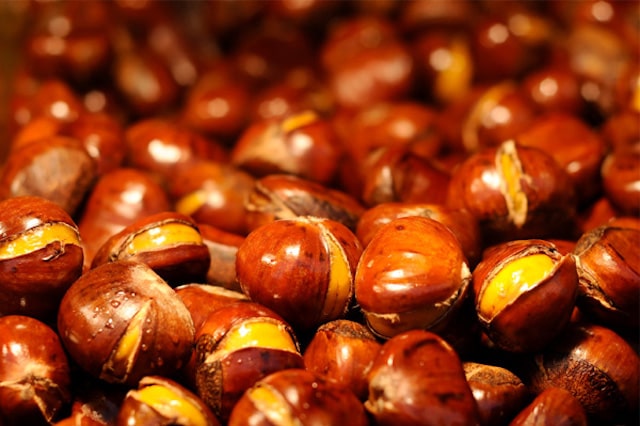
As you walk through the central town square after dark, the sweet, comforting aroma of roasting nuts drifting through the fog is impossible to ignore. Sapa chestnuts are significantly larger than standard varieties, grown in the cool mountain orchards scattered across the region.
Street vendors roast them in large pans filled with hot sand over open coal braziers, splitting the thick brown shells to reveal a bright yellow center. They are warm, buttery, and slightly sweet, making them the perfect handheld snack to keep you warm while exploring the night markets.
5. Bamboo Sticky Rice (Cơm Lam)
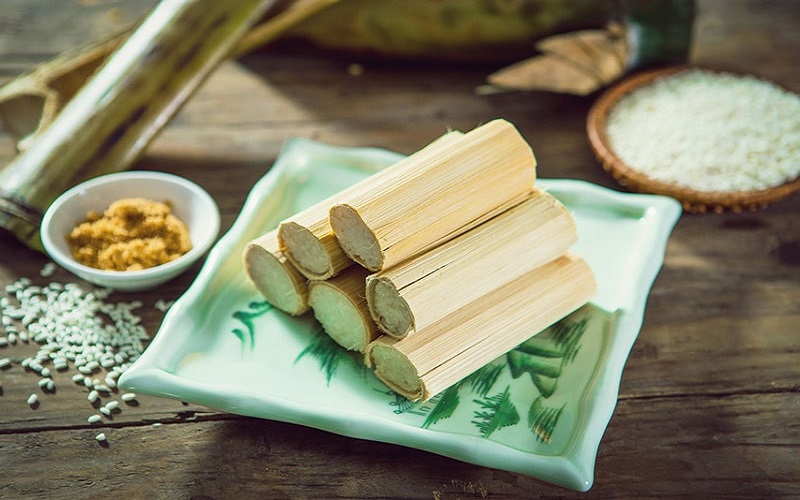
This is the ultimate highland comfort food, acting as the perfect companion to any grilled meal in the region. Local aromatic sticky rice is soaked, mixed with a touch of salt, and packed tightly into fresh tubes of bamboo harvested from the nearby forests.
The tubes are then slowly roasted over glowing coals, turning them frequently so the rice cooks evenly. The natural moisture and inner lining of the bamboo infuse the sticky rice with a delicate, sweet fragrance and a subtle woody undertone. To eat it, you simply peel away the charred outer layers of bamboo like a banana, dipping the warm, dense rice cylinder into a rustic mixture of crushed roasted peanuts and sesame salt.
Finding the Authentic Hearth
Exploring the local food culture here requires a bit of curiosity. Pack your warm layers, keep an open mind, and let the bold, comforting flavors of the mountains redefine your understanding of Vietnamese cuisine.
Contact Hanoitourist for a customizable experience in Sapa.