
Hanoi’s Purple Awakening Season: A Guide to the Enchanting Summer
Hanoi is a city of twelve flower seasons, each painting the capital with a unique emotional brushstroke. As the humid spring air fades and the first whispers of the tropical sun arrive, the city undergoes a breathtaking transformation. Before the fiery red of Flamboyant trees takes over, Hanoi surrenders to the poetic and fleeting purple season.
From mid-May to early June, the Giant Crape Myrtle (locally known as Bang Lang) blooms in unison, turning bustling boulevards into violet-hued sanctuaries. This is perhaps one of the most photogenic time to witness the intersection of Hanoi’s urban pulse and its natural elegance.
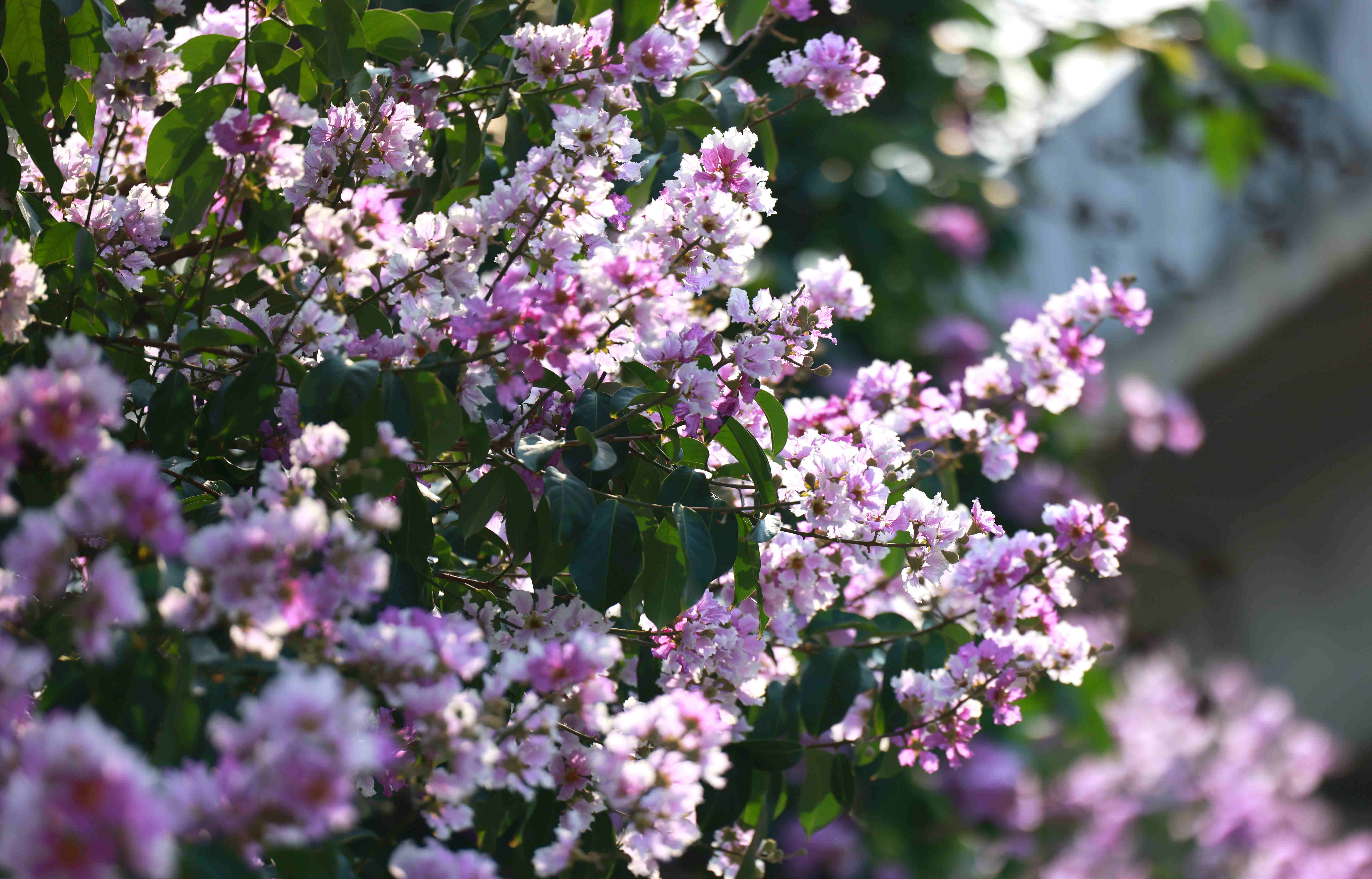
Where to Find the Best Lilac Hues in Hanoi
To truly experience the flowers in Hanoi, variety is key. While some streets offer dense canopies, others provide scenic backdrops against water or historic architecture. Here are the top "violet coordinates" for your itinerary:
Kim Ma Street: The most iconic "violet boulevard" with vintage paved sidewalks.
Hoa Binh Park: Ideal for wide-angle shots and cinematic views.
Nguyen Khoai Dyke: A rustic ribbon of purple running alongside the Red River.
Nghia Do Park: Serene lakeside blooms reflecting on the water.
Van Cao Street: Where modern urban life meets tall, majestic purple trees.
Pham Van Bach Street: The "office districts" that turn surprisingly poetic during the bloom.
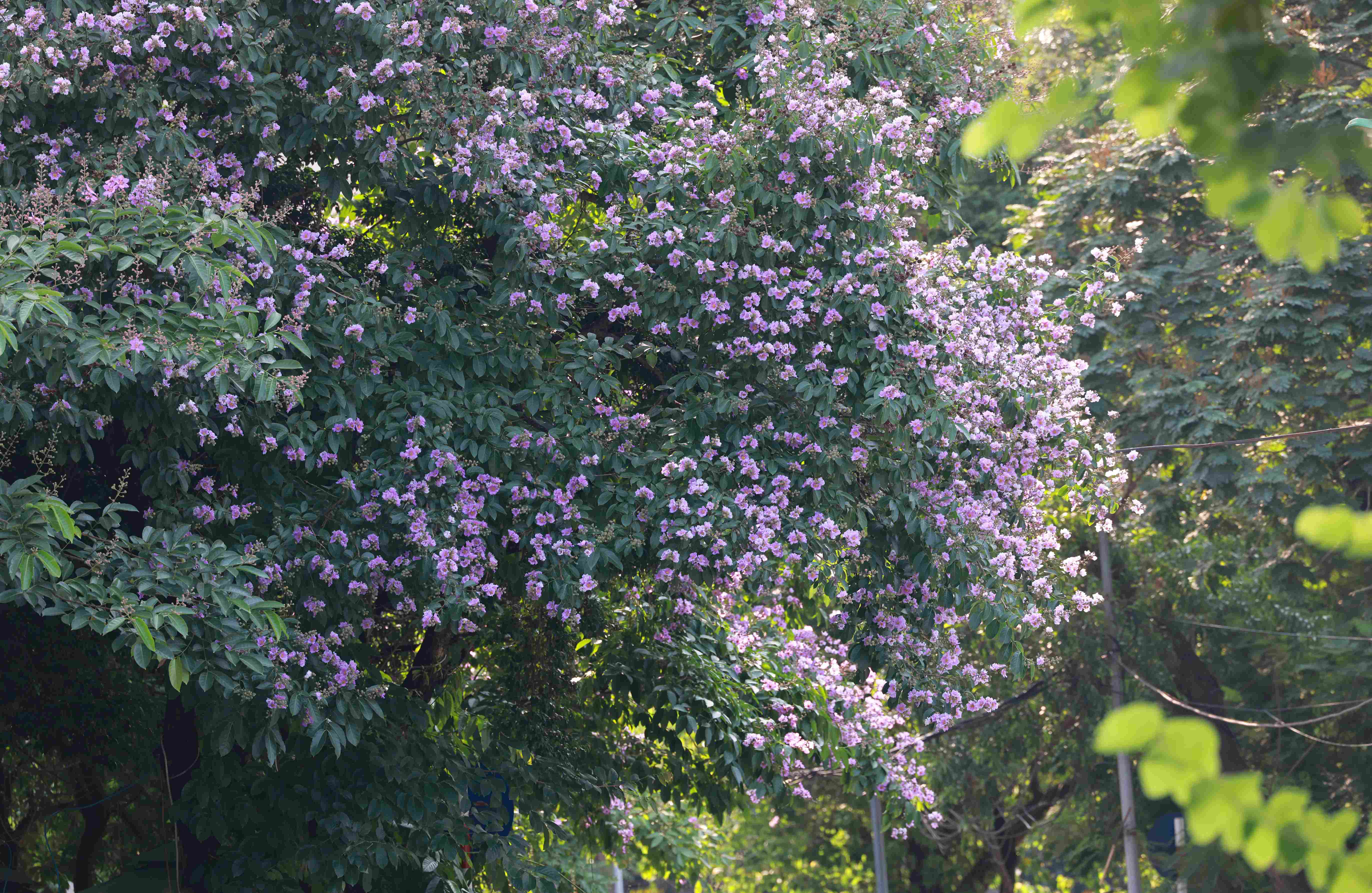
The Soul of the Bloom: More Than Just a Flower
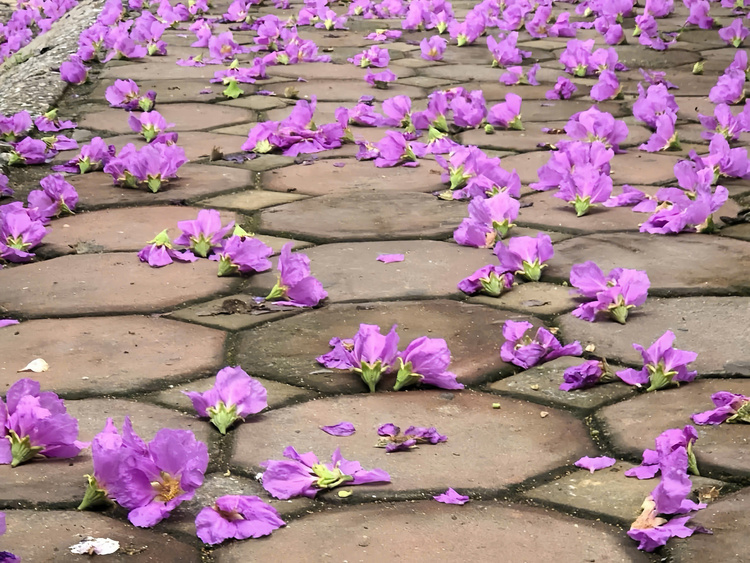
In the heart of every Hanoian, the Bang Lang blossom holds a sacred place. The color purple in Vietnamese culture symbolizes loyalty and a quiet, enduring grace. Unlike the loud vibrancy of tropical summer flowers, the violet hues of the Crape Myrtle are perceived as a "cooling balm" for the soul, offering visual relief as the city braces for the summer heat.
Historically, this season is inextricably linked to student nostalgia. Since the flowers bloom exactly when the school year ends, they have become the silent witnesses to graduations, tearful goodbyes, and the innocence of "first loves" written in school hallways. For many, seeing the first purple bud is like hearing an old melody that brings back memories of youth.
The "Check-in" Ritual: Capturing a Fleeting Romance
In recent years, the act of "checking in" with the purple season has evolved into a beautiful urban ritual. It is common to see Hanoians, from young students to elegant ladies in traditional Ao Dai gathering under the violet canopies with their cameras.
This isn't merely about social media; it is a community-wide effort to capture the ephemeral. Because these flowers are notoriously fragile, the rush to take photos is a way of "freezing time." Hanoians want to document their relationship with the city in its most romantic state. By standing under a purple tree, they aren't just taking a picture; they are weaving their own story into the seasonal fabric of the capital.
Quick Guide for Visitors & Photography Enthusiasts
If you are planning to capture the purple season in Hanoi, keep these expert tips in mind:
Golden Hours: The best light for violet tones is between 7:30 AM - 9:30 AM. Soft morning light prevents the purple from looking "washed out" in high-contrast midday sun.
Wardrobe Choice: To complement the lilac hues, wear white, cream, or soft pastel yellow. These colors create a timeless, high-fashion look against the violet backdrop.
Local Etiquette: When photographing on streets like Kim Ma, be mindful of traffic. The most beautiful shots are often those taken from a safe distance using a zoom lens.
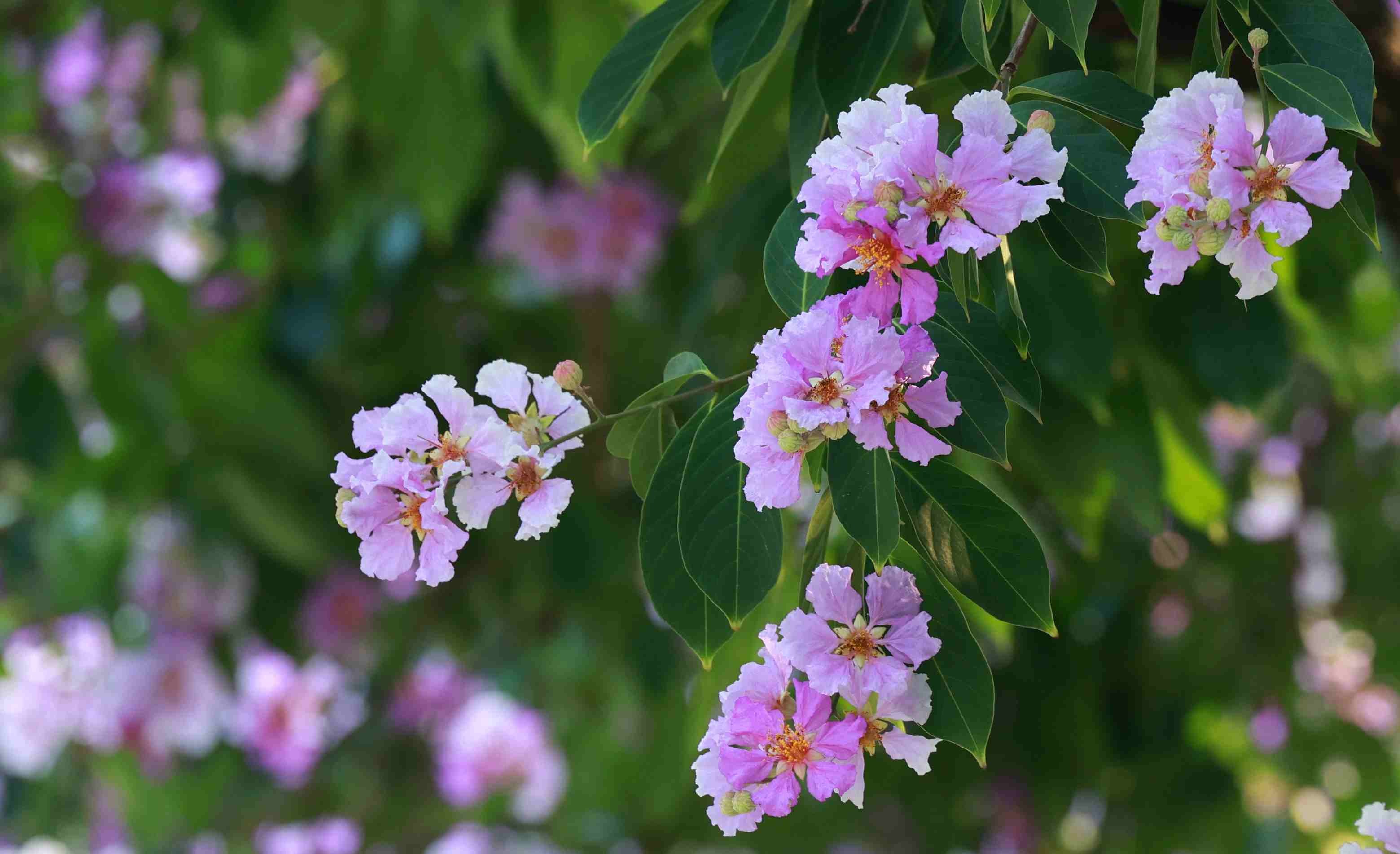
Experience Hanoi Like a Local
The purple season is a reminder that Hanoi’s beauty is often found in its transitions. Whether you are a professional photographer or a traveler seeking a quiet moment of beauty, the violet streets of May are waiting for you.
Don’t miss this ephemeral window of magic. Hanoi is dressed in its finest violet—make sure you’re here to witness the city's most poetic transformation.
Photo credit: Báo Lao động, Báo Thiên nhiên & Môi trường