
The Robusta Revolution: A Guide to the Bold World of Vietnamese Coffee
Vietnam is proudly the world’s second-largest coffee exporter and the absolute global king of Robusta beans. Unlike the lighter Arabica varieties favored in the West, Vietnamese Robusta delivers a deeply bold, intensely nutty, and highly caffeinated punch. For global jet-setters, indulging in the local coffee scene is not merely a quick caffeine fix; it is a profound culinary rite of passage and an essential lens through which to experience the true heartbeat of local lifestyle.
The Soul of a Nation: Coffee as a Living Cultural Ritual
To truly appreciate Vietnamese coffee, one must understand that it is a slow, deeply social ritual. The traditional brewing method utilizes a small, metal drip filter called a phin. Placed directly over a glass, the coffee grounds slowly steep and drip drop-by-drop, requiring a few minutes of patient waiting. This slow pace forces locals and travelers alike to sit down, slow down, and watch the vibrant urban world go by.
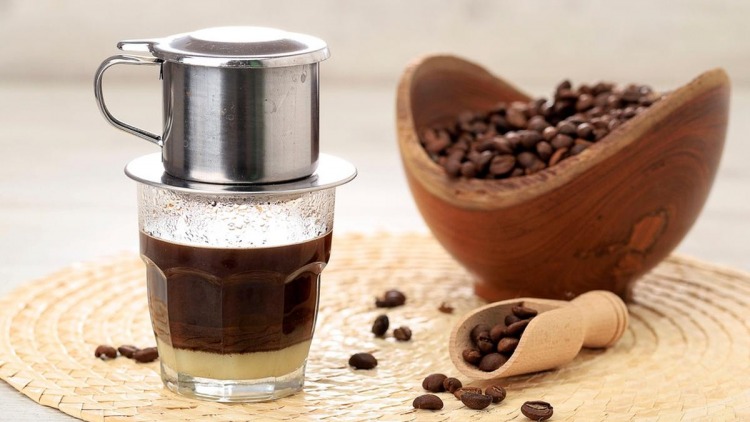
Because traditional Robusta is intensely bitter and strong, the local culinary genius balanced it by adding a rich layer of thick sweetened condensed milk at the bottom of the glass. Poured over a mountain of crushed ice, this creation is the legendary Cà Phê Sữa Đá (Vietnamese Iced Coffee with Condensed Milk) - a perfect harmony of rich bitterness and creamy sweetness that effortlessly beats the tropical humidity. Over the decades, this basic recipe has evolved into an artistic canvas, birthing legendary innovations like Hanoi’s velvety Egg Coffee (where egg yolks are whipped with condensed milk into a creamy meringue) and Central Vietnam’s savory Salt Coffee, which uses a touch of salted cream to elevate the natural cacao notes of the bean.
Top Destinations for the Ultimate Coffee Pilgrimage
Every region along the S-shaped coast offers a completely distinct aesthetic and flavor profile when it comes to cafe culture. For the ultimate coffee tour during your Vietnam travel journey, these are the absolute must-visit hubs:
Hanoi: The Cradle of Heritage and Egg Coffee
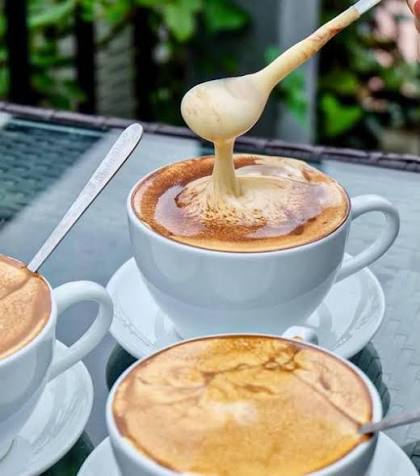
The capital city is a sanctuary for hidden, historic cafes tucked away in narrow alleyways of the Old Quarter. Here, you can sit on tiny wooden stools on the sidewalk, listening to the echoes of train tracks while sipping a hot, decadent cup of egg coffee at legendary institutions like Café Giảng or Café Lâm.
Buon Ma Thuot: The Coffee Capital of the Highlands
For the ultimate bean-to-cup pilgrimage, heading into the majestic Central Highlands to Buon Ma Thuot is an absolute must. Surrounded by rolling basalt-soil hills and endless green plantations, this region allows travelers to explore the source of the world’s finest Robusta, complete with immersive eco-tours and interactive coffee museums.
Ho Chi Minh City: Dynamic Trends and Sidewalk Culture
In the southern metropolis, coffee moves at a faster, highly contemporary pace. You can experience everything from Cà Phê Bệt (sitting casually on flat cardboard sheets on the pavement outside the Notre Dame Cathedral) to ultra-sleek, high-concept modern roasteries nestled inside colonial-era apartment blocks.
Native Travel Tips for Your Caffeine Journey
To ensure your culinary exploration is completely enjoyable, keep these practical insider tips in mind:
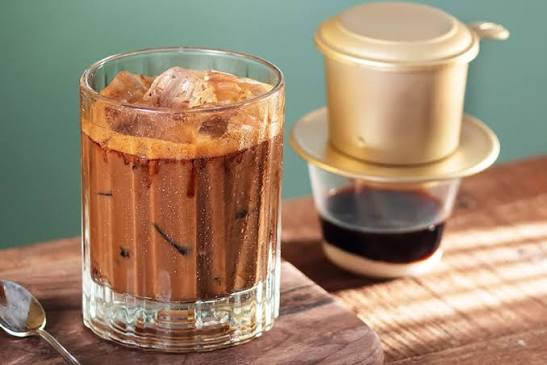
Pace Yourself Wisely: Because genuine Vietnamese Robusta contains nearly double the caffeine content of standard Western Arabica, start with just one cup in the morning. Drinking a strong Cà Phê Sữa Đá on an empty stomach can easily trigger a funny, high-energy buzz!
Specify Your Sweetness Level: Local baristas naturally love their coffee sweet and rich. If you prefer a less sugary kick, simply use the phrase "ít sữa" (less condensed milk) or "không đường" (no sugar) when ordering.
Embrace the Sidewalk Aesthetic: Don’t just stick to air-conditioned global chains. The real magic of Vietnam’s lifestyle happens on the low plastic stools spilling onto the sidewalks, where the sensory immersion is unmatched.