
The Soul of West Lake: Quang An Lotus Tea Named National Cultural Heritage
In a monumental celebration of living heritage, the traditional art of scenting Quang An lotus tea in the Tay Ho (West Lake) district has been officially inscribed into Vietnam’s National Intangible Cultural Heritage list.
For globetrotters planning their Hanoi travel and Vietnam travel bucket lists, discovering this rare botanical elixir offers a fascinating journey into centuries of imperial refinement and master craftsmanship.
The Meticulous Art of Quang An Lotus Tea Scenting
What makes Quang An lotus tea the undisputed crown jewel of Vietnamese tea culture is its painstaking, highly sophisticated scenting process. Unlike modern mass-produced flavored teas that rely on artificial oils, Quang An artisans utilize pure natural science and generational wisdom passed down through centuries.
The secrets behind this extraordinary craft include:
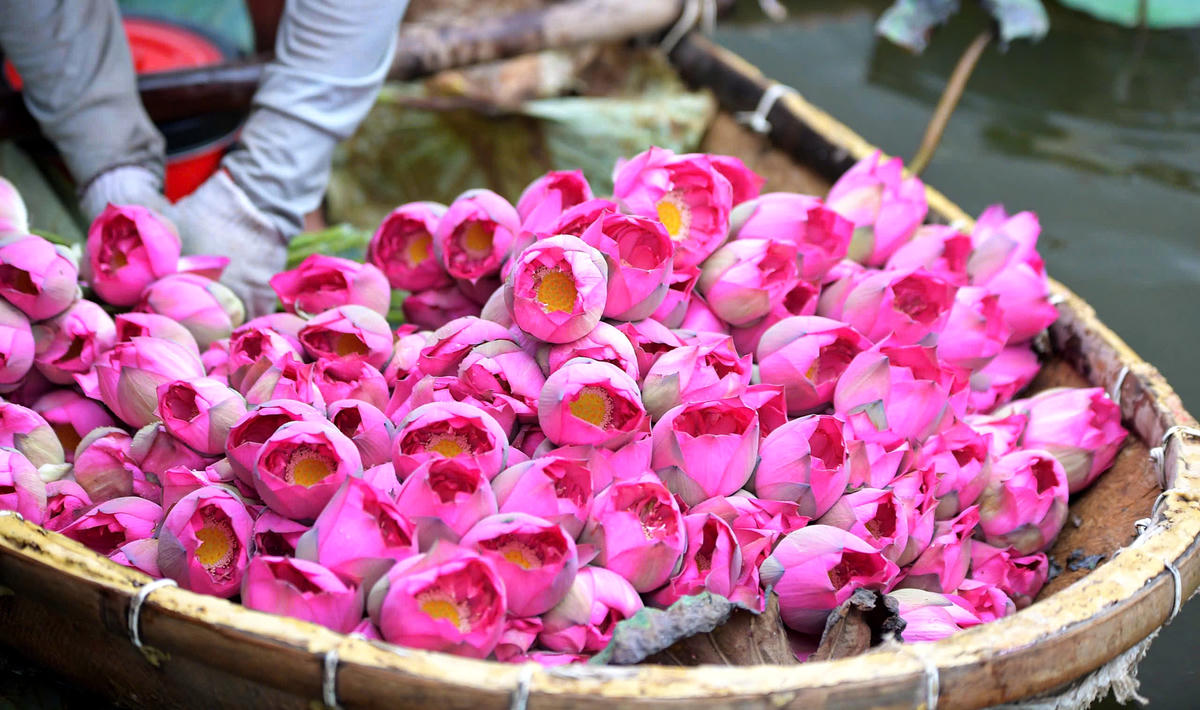
The Sacred West Lake "Bach Diep" Lotus: True Quang An lotus tea relies exclusively on Sen Bách Diệp (hundred-petal lotus flowers) grown in the mineral-rich mud of Hanoi’s West Lake. Plucked strictly before sunrise between 4:00 AM and 5:00 AM while the dew still seals the petals, these blossoms yield an incomparably rich, sweet fragrance.
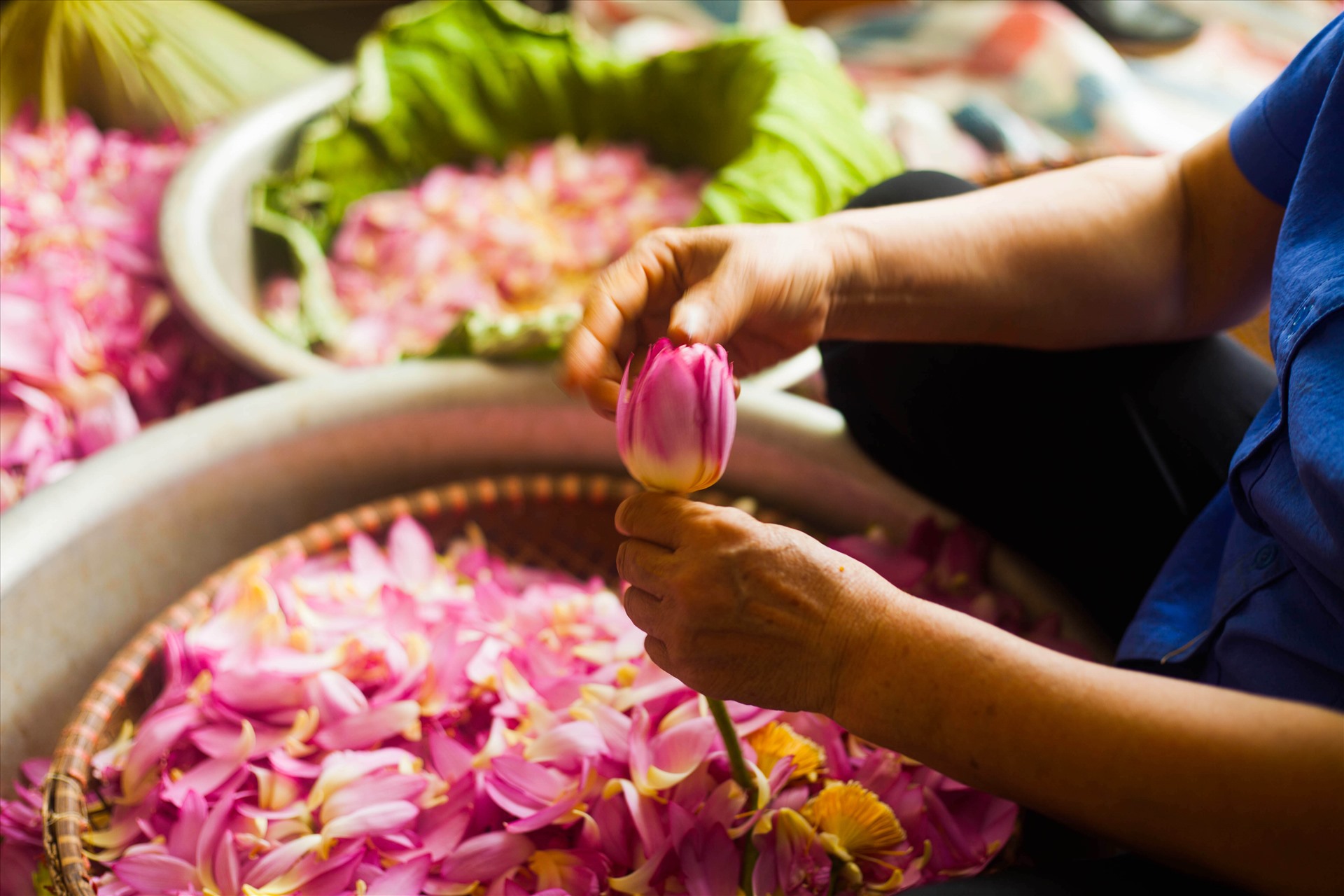
Extracting the Lotus "Rice" (Gạo Sen): Artisans gently peel back the petals to separate the small, white scent-bearing anthers, known locally as the "rice" of the lotus. It takes roughly 1,000 to 1,200 fresh lotus blossoms to yield enough "rice" to scent just one kilogram of tea.
The Multi-Stage Scenting Ritual: High-grade Tan Cuong green tea leaves are meticulously layered with fresh lotus rice inside terracotta jars and allowed to infuse over several days. This process of scenting, baking, and re-scenting is repeated up to 7 consecutive times over two full weeks until the tea leaf absorbs the deep, poetic essence of the flower.
Why It Earned National Heritage Recognition
The official designation of Quang An lotus tea as a National Intangible Cultural Heritage reflects far more than the tea’s exquisite flavor profile. The decision honors three vital pillars of Hanoi’s cultural identity:
Preservation of Living Heritage: In a rapidly modernizing metropolis, the artisan families of Quang An have safeguarded an ancient craft that dates back to the Nguyen Dynasty court era, keeping traditional manual techniques alive across generations.
A Symbol of Hanoi Elegance: Drinking lotus tea in Hanoi is a serene social ritual that embodies the capital’s philosophy of mindfulness, hospitality, and appreciation for natural harmony.
Sustainable Cultural Tourism: The recognition elevates West Lake’s lotus ponds and local tea houses into sustainable cultural landmarks, connecting international travelers directly with master artisans.
Practical Native Tips for Cultural Travelers
To truly appreciate authentic Quang An lotus tea during your Hanoi travel itinerary, keep these insider travel tips in mind:
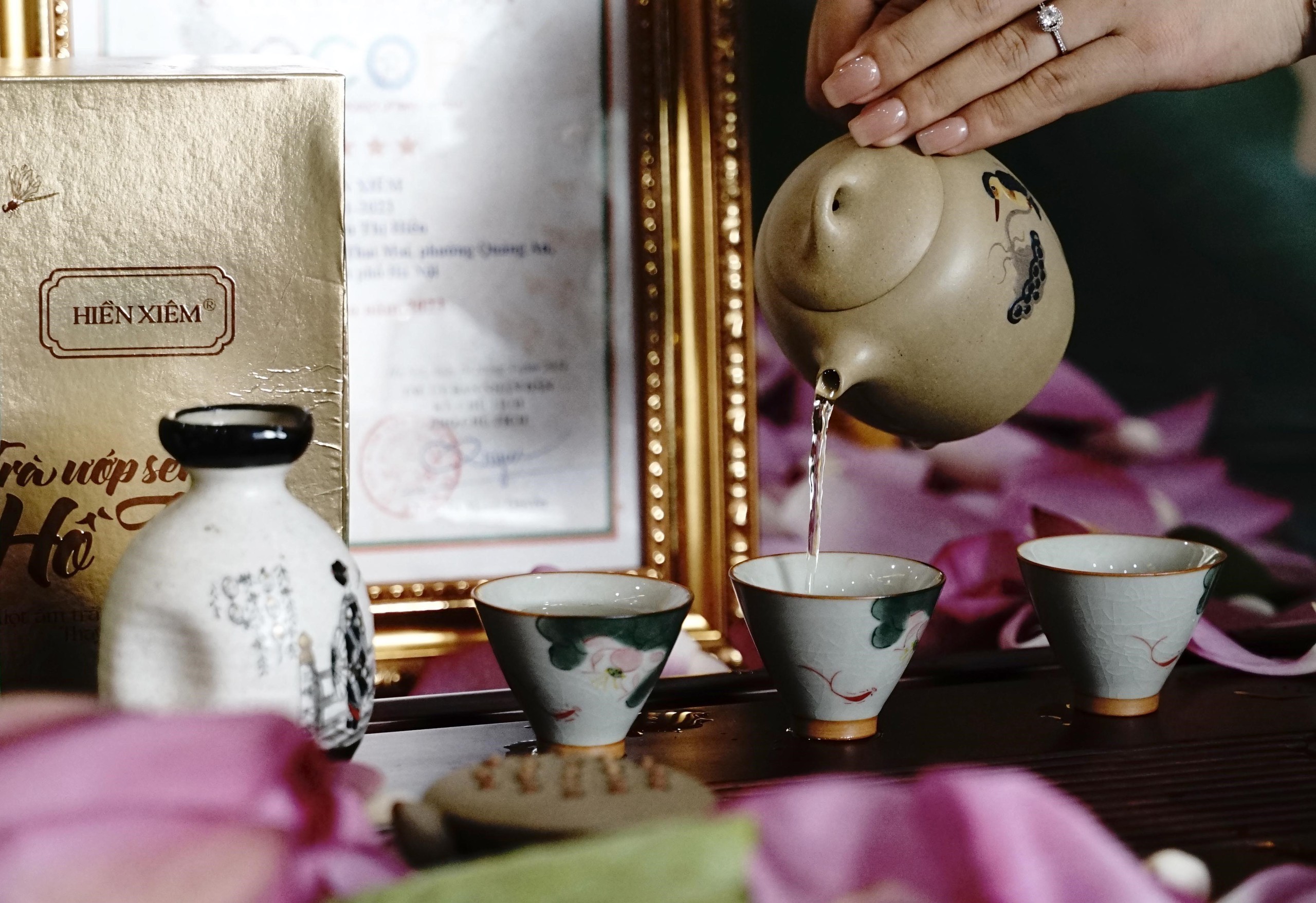
Savor the Brew Correctly: Authentic lotus tea should be steeped in pure water heated to roughly 80°C–85°C (never boiling) using small porcelain or clay teacups. Sip slowly to allow the floral top notes and naturally sweet tea finish to coat your palate.
Look for Certified Artisan Seal: Authentic hand-scented West Lake lotus tea is a luxury commodity. Purchase directly from historic family tea houses in Quang An or vetted cultural partners to ensure 100% natural authenticity.