
The Subterranean Wonder: Exploring Resilience and Ingenuity at the Cu Chi Tunnels
For international travelers tracing the cultural and historical landscapes of Southeast Asia, a journey through Vietnam travel is often defined by its remarkable stories of transformation. Nowhere is this narrative of resilience and rebirth more palpable than in the peaceful district of Cu Chi, located roughly 70 kilometers northwest of Ho Chi Minh City’s energetic center. Today, as the soft morning sunlight filters through thick canopies of vibrant green trees, a diverse stream of global globetrotters, students, and veterans walks along the quiet forest pathways. It is difficult to imagine that directly beneath this serene, flourishing landscape lies a massive, multi-layered underground "city" that once served as the ultimate sanctuary for survival and strategy during the turbulent decades of the mid-20th century.
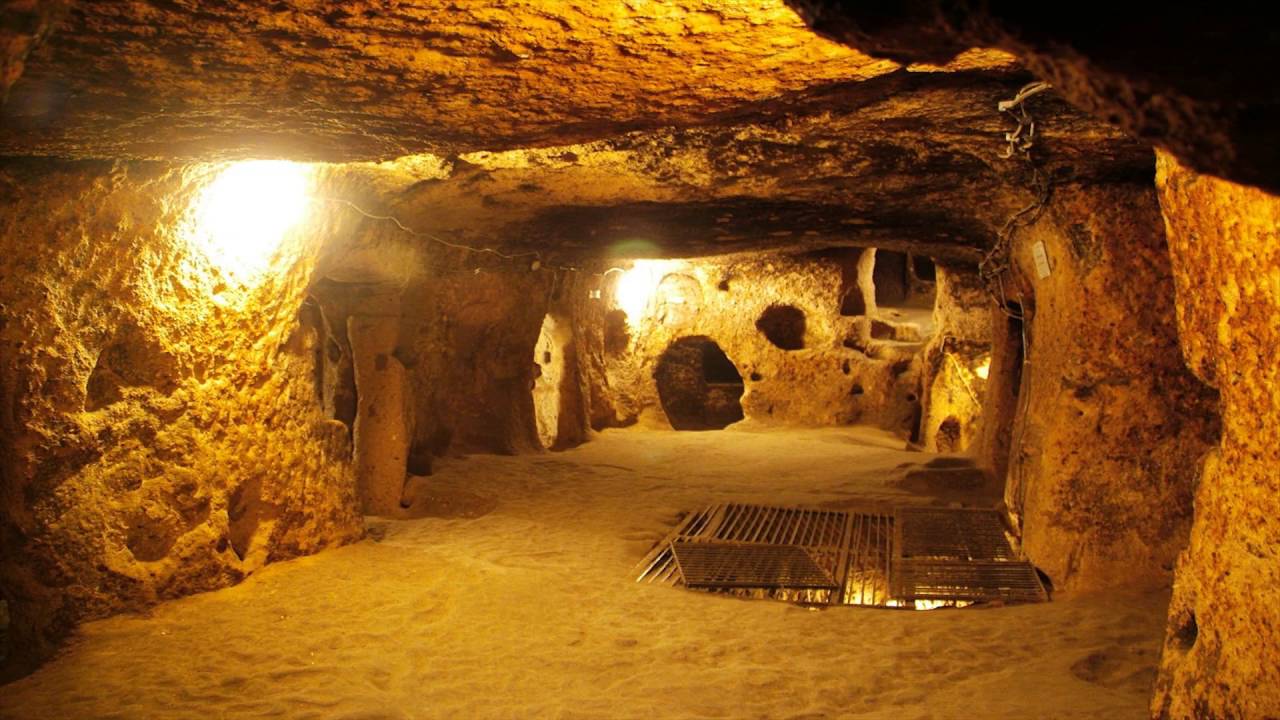
Recognized officially as a National Historical Site in 1979, the Cu Chi Tunnels have gracefully transitioned from a highly strategic defense base into one of the most profoundly moving and educational historical attractions in the world. For modern travelers seeking deeper cultural insights, this destination offers far more than a simple history lesson; it provides an active, unforgettable look into human ingenuity and the enduring strength of the human spirit under extreme conditions.
A Masterpiece of Subterranean Engineering and Strategy
To fully appreciate the historical weight of the Cu Chi Tunnels, one must understand the sheer architectural brilliance behind their creation. Originally initiated in the late 1940s during the resistance against colonial forces, this unbelievable subterranean labyrinth was continuously expanded and fortified during the war, eventually stretching to an astonishing total length of over 200 kilometers.
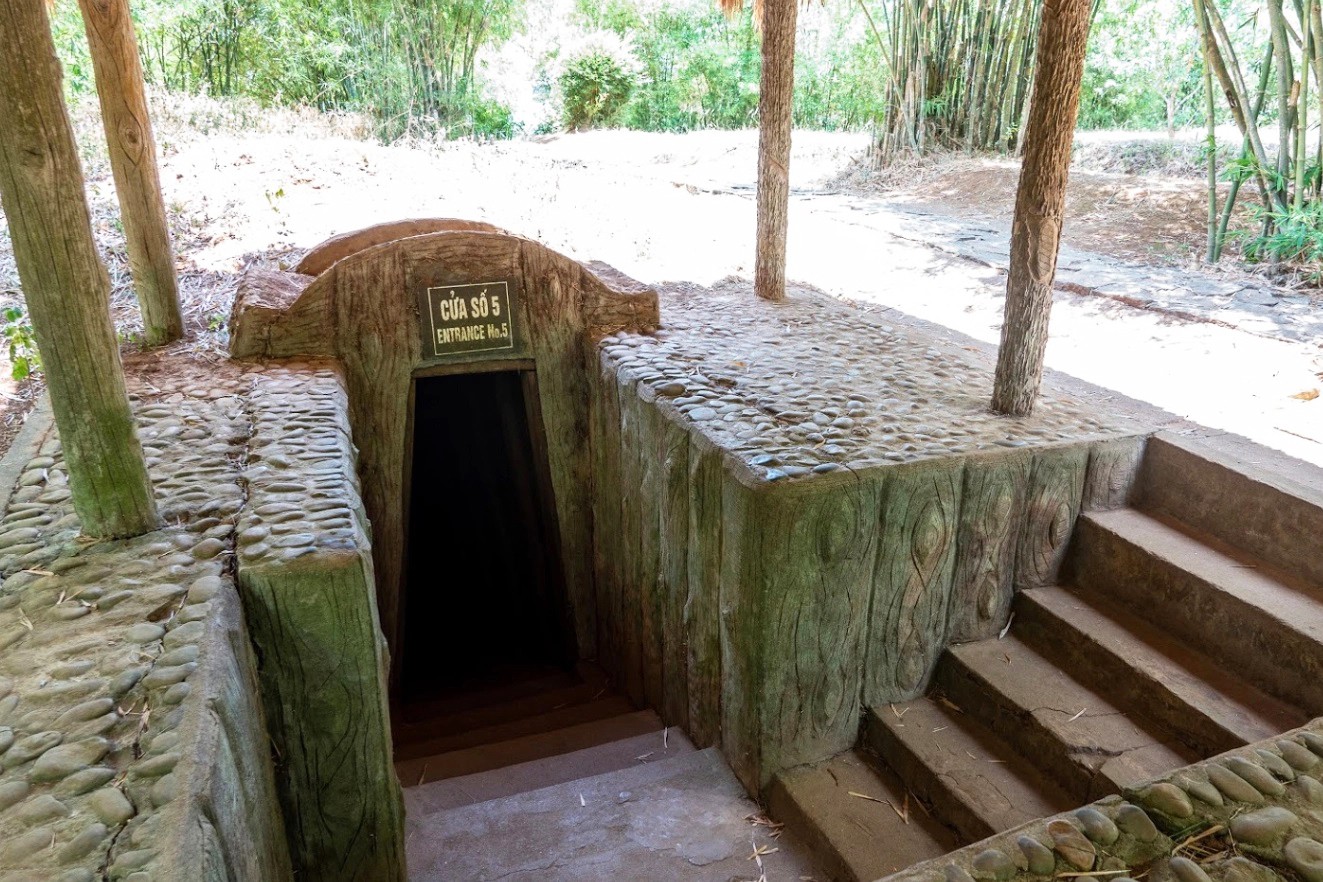
Far more than a simple series of emergency trenches, the system functioned as a fully integrated, self-sustaining ecosystem hidden entirely beneath the earth. It housed tightly organized living quarters, strategic meeting rooms, tactical command centers, field hospitals, weapons manufacturing workshops, and extensive food storage facilities. The network was masterfully engineered with a "backbone" structure, featuring a complex web of long and short branches that could be easily interconnected or isolated to seal off specific sections in times of crisis. Some hidden routes even extended all the way to the banks of the Saigon River, providing secret supply lines and emergency escape routes.
What consistently captivates modern engineering and historical enthusiasts is the brilliant sophistication of their defensive camouflage. Air ventilation shafts were intricately designed to mimic natural termite mounds, allowing fresh air to circulate deep underground while remaining entirely invisible from the surface. Similarly, the legendary Hoang Cam kitchen utilized a uniquely structured multi-chamber flue system that dissipated cooking smoke across wide distances close to the ground, completely eliminating any visible smoke plumes that could give away the community's location.
A Journey of Rebirth: From Battlefields to Green Fields
Following the historic events of April 30, 1975, the local community made a conscious, dedicated effort to preserve this monumental site, slowly transforming it into a space for global education, reconciliation, and peace tourism. Today, the site welcomes millions of international visitors annually, hosting travelers from every corner of the globe who come to observe, learn, and reflect. For many international visitors, stepping into the tunnels provides a profound, eye-opening perspective on the incredible sheer willpower required to survive such historical hardships.
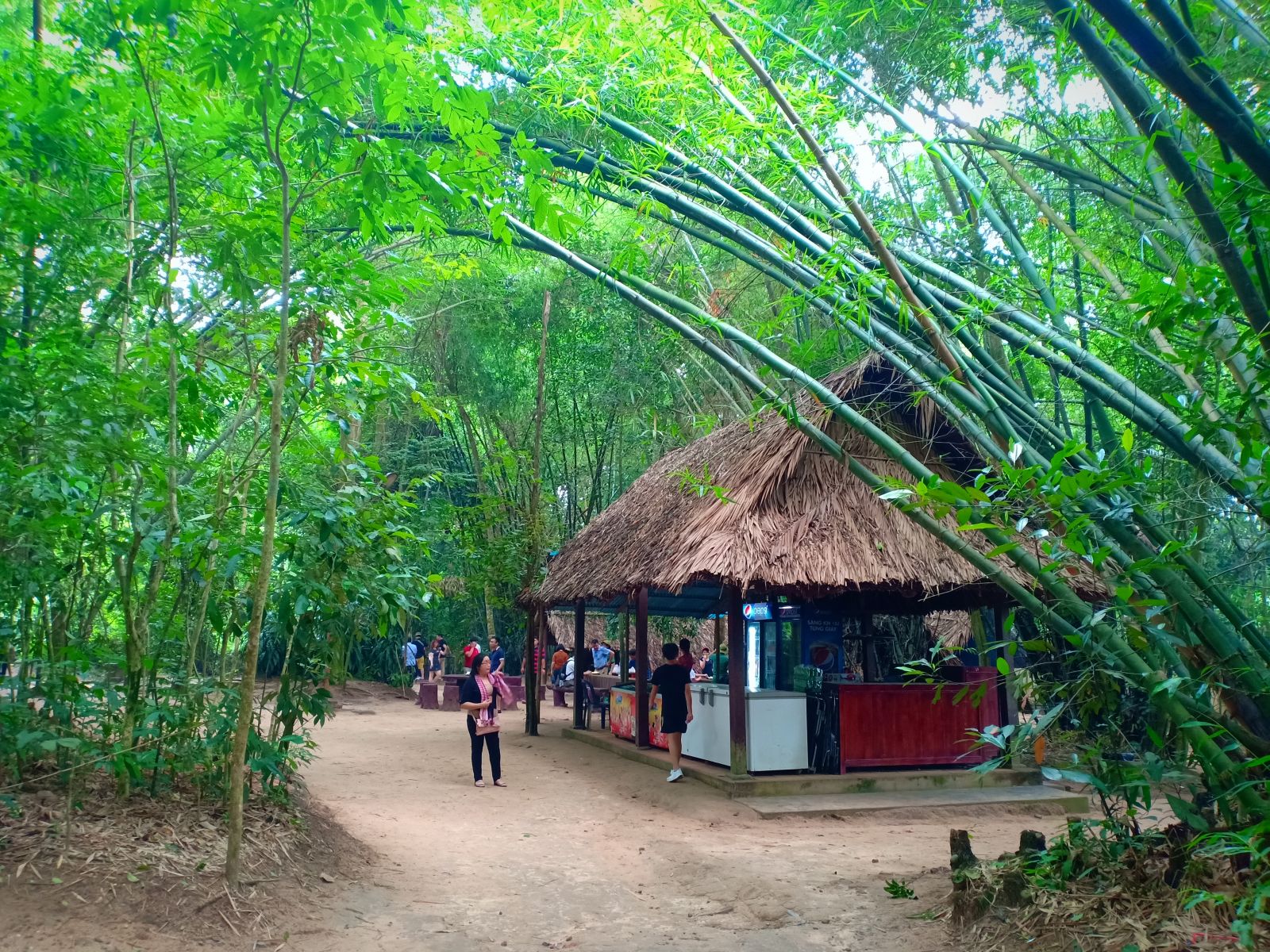
Beyond the historic boundaries of the preservation zone, the story of Cu Chi’s modern transformation continues to inspire. A landscape that was once severely scarred by conflict has beautifully transformed into a dynamic, eco-friendly green zone. Just a few kilometers outside the tunnels, visitors are greeted by endless emerald rice fields, clean concrete roads, and high-tech agricultural farms. By integrating historical tourism with rural eco-tourism and artisanal craft villages, the region has successfully fostered a sustainable, forward-looking economy that honors its past while actively building a prosperous future.
Practical Travel Tips for Your Cu Chi Tunnels Excursion
To ensure your historical exploration of the tunnels is completely comfortable, educational, and respectful, keep these native insider tips in mind:
Prepare for a Humid Subterranean Climate: Even though the historical preservation team has carefully widened and illuminated specific sections of the tunnels for international guests, the underground climate remains naturally warm and humid. Wear lightweight, breathable clothing and reliable, closed-toe walking shoes.
Immerse Yourself in the Full Experience: To truly connect with the history, take the time to try the hands-on cultural activities available on-site. Watch the archival documentary films, observe the local weapon-crafting demonstrations, and sit down to sample a plate of steamed cassava dipped in fragrant peanut salt - the exact daily staple that sustained the underground community for years.

Combine with an Eco-Farm Tour: To fully experience the inspiring story of Cu Chi’s modern rebirth, choose an itinerary that couples your morning tunnel visit with an afternoon stop at a local high-tech organic farm or a traditional agricultural village.
Journey Deep Into Vietnam’s Living History with Hanoitourist
Organizing specialized transport outside Ho Chi Minh City, navigating busy peak-season ticket counters, and securing a truly knowledgeable historian can sometimes be a challenge for independent travelers.
At Hanoitourist, our signature southern Vietnam travel packages are meticulously designed from A to Z, offering premium private vehicle transfers, comfortable pacing, and exceptional, English-fluent local guides who act as your personal cultural ambassadors.
Let us handle the logistical planning while you immerse yourself in the inspiring history of the country.