
The Vision for Duong Lam: Hanoi’s Bid for "Best Tourism Village" Status
For a journey into the soul of Northern Vietnam, Hanoi offers a captivating blend of bustling urban energy and ancient, serene pockets of history. Just a short drive west of the capital’s center lies Son Tay, a historic land rich in cultural heritage and natural beauty. In an exciting developmental update, the Hanoi Department of Tourism officially hosted the Son Tay Tourism Promotion Conference 2026. At the heart of this strategic gathering is a grand, prestigious goal: to transform the legendary Duong Lam Ancient Village into one of the UN Tourism’s "Best Tourism Villages" before 2030.
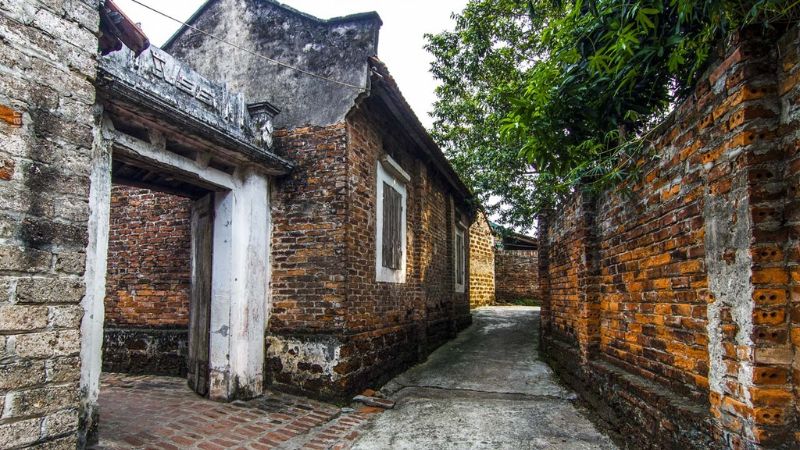
This visionary campaign aims to elevate Duong Lam’s global profile while prioritizing sustainable heritage conservation and local community development. By merging centuries-old architectural marvels with modern, eco-friendly travel standards, Hanoi is positioning this historic gem as a leading international model for cultural tourism.
The Living Heritage of the "Land of Two Kings"
As the first village in Vietnam to be designated as a National Architectural Art Monument, Duong Lam Ancient Village is celebrated as the "Land of Two Kings" - being the birthplace of two of Vietnam’s legendary monarchs, Phung Hung and Ngo Quyen.
Stepping into Duong Lam is like walking into a living, breathing museum of traditional Tonkin Gulf rural life. The village has preserved its ancient layout almost completely intact, characterized by old laterite entrance gates, peaceful communal houses, deep water wells, and majestic banyan trees. The defining feature of Duong Lam is its remarkable collection of hundreds of historic houses built primarily of laterite (da ong) - a local, porous red clay-stone that keeps the homes cool in summer and warm in winter.
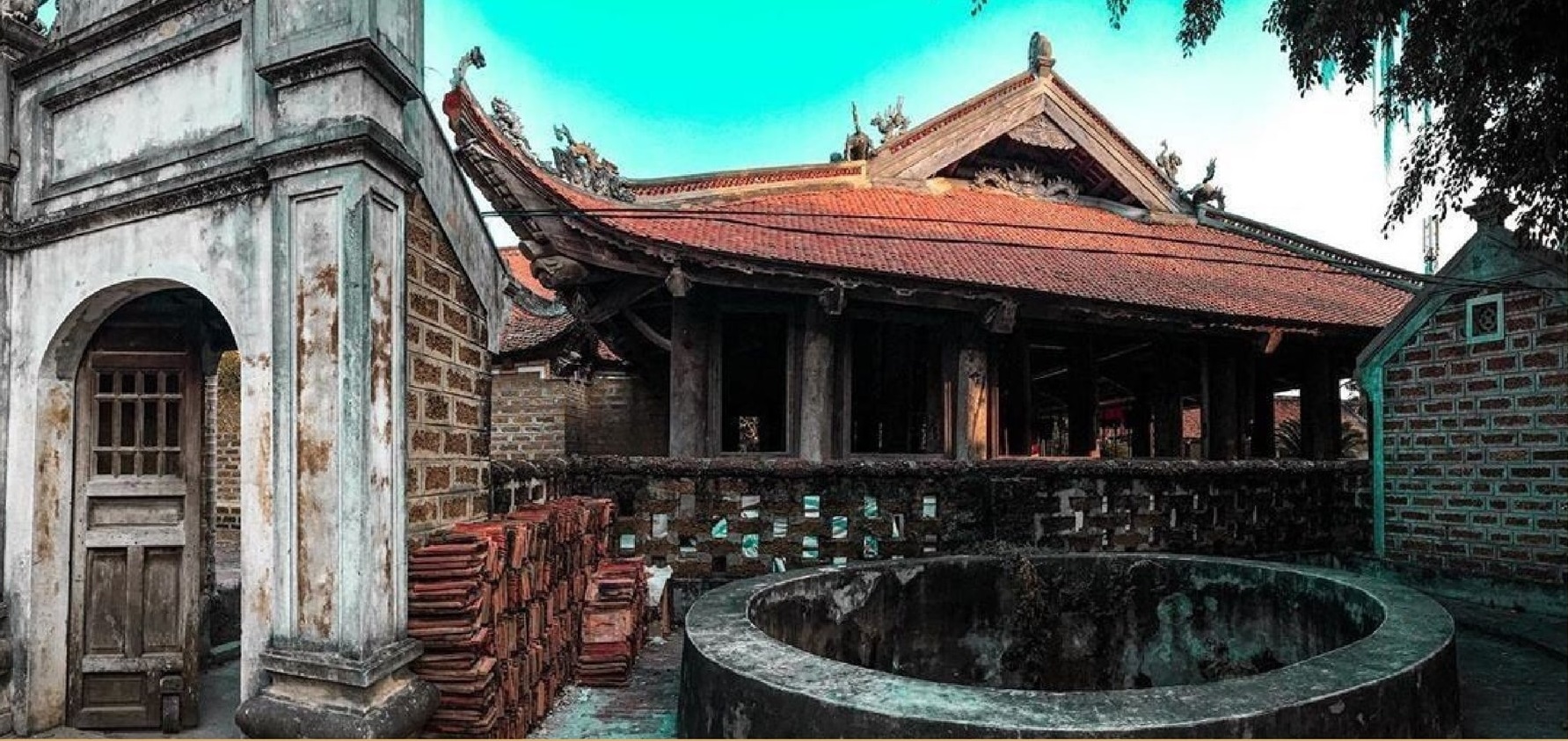
Beyond its visual charm, Duong Lam is a vibrant cultural hub. Visitors can witness traditional festivals, explore historic landmarks like Son Tay Ancient Citadel (built in 1822) and Den Va Temple, and indulge in iconic regional culinary specialties such as Phu Nhi rice cakes (banh te), peanut candies, and the famous, incredibly crispy Duong Lam spit-roasted pork.
Practical Native Tips for Your Duong Lam Exploration
To ensure your cultural excursion through this world-class ancient village is entirely seamless, comfortable, and memorable, keep these insider travel tips in mind:
Rent a Bicycle for Easy Exploration: The best way to navigate Duong Lam’s quiet, narrow stone alleyways is on two wheels. You can easily rent a traditional bicycle at the village entrance for a very low fee, allowing you to breeze past historic houses and scenic lotus ponds at a leisurely pace.
Respect Local Customs and Dress Codes: Since Duong Lam is a living residential village and home to sacred communal temples and shrines, travelers should dress respectfully (covering shoulders and knees) when entering religious structures. Always ask for permission before taking close-up photographs of local elders or stepping into private historic courtyard homes.
Discover the Magic of Xứ Đoài with Hanoitourist
Coordinating countryside transport, finding authentic local hosts, and navigating historical routes can be quite complex for independent international visitors.
At Hanoitourist, we leverage a decade of premium inbound hospitality management to turn your cultural dreams into a flawless, stress-free reality. Our signature Hanoi travel and Northern Vietnam travel packages are meticulously structured from A to Z to offer you private luxury vehicle transfers, curated heritage itineraries through Son Tay, and passionate, English-fluent local guides who act as your personal cultural translators.